Examining Algorithmic Personalization Techniques in Wagering Platforms Catering to Football, Equine Racing, and Virtual Competition Audiences
Written by Casey Brooks · Nov 9, 2026
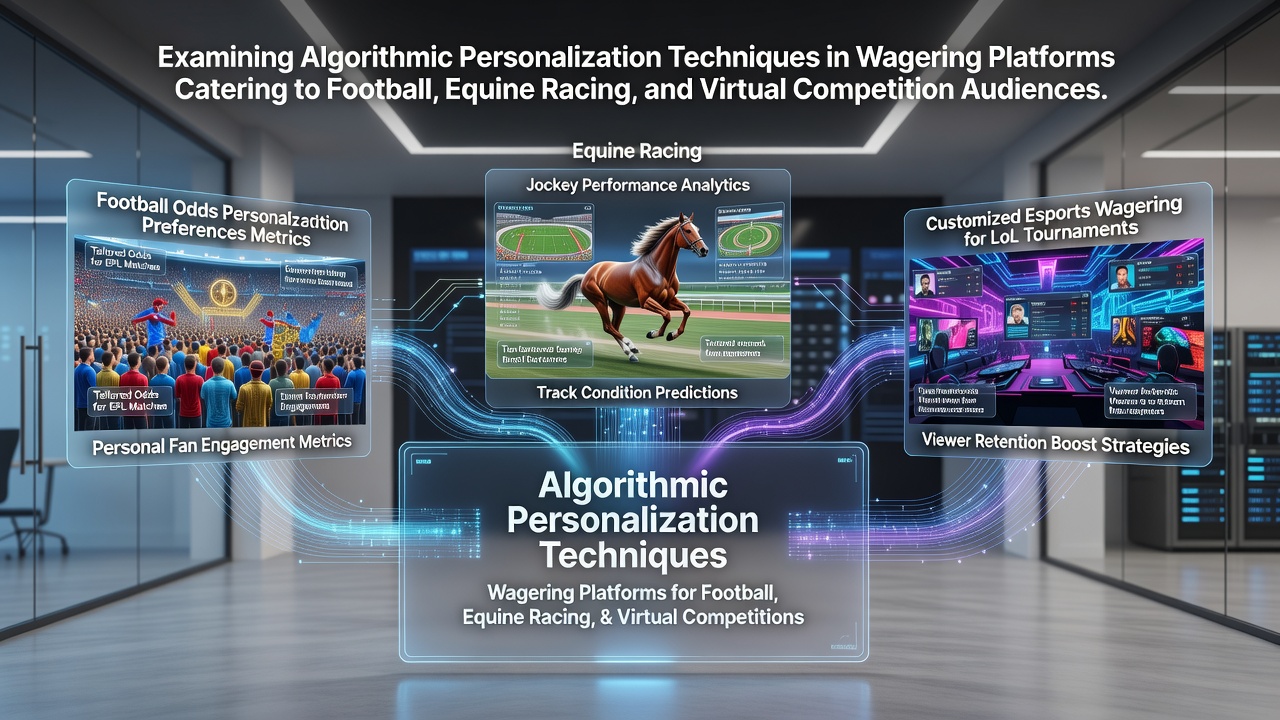
Examining Algorithmic Personalization Techniques in Wagering Platforms Catering to Football, Equine Racing, and Virtual Competition Audiences
Algorithmic personalization techniques have expanded across wagering platforms that serve football, equine racing, and virtual competition audiences, with systems drawing on user behavior data to adjust content delivery, odds presentation, and promotional targeting in real time. These methods rely on machine learning models that process historical betting patterns, session duration, and device interactions to generate tailored suggestions for each account holder. Platforms catering to football enthusiasts often prioritize match-specific alerts based on league preferences, whereas equine racing operators focus on horse performance metrics and jockey records when shaping recommendations.
Data Inputs Driving Personalization Systems
Operators collect structured datasets that include past wager amounts, preferred markets, and time-of-day activity peaks, then feed these into collaborative filtering algorithms and neural network classifiers. Such inputs allow the software to segment audiences into groups that share similar engagement profiles across football accumulator bets, thoroughbred race selections, and simulated event outcomes. Research from the European Gaming and Betting Association shows that personalization engines update user profiles at intervals ranging from minutes to hours depending on live event volume.
Geolocation signals and payment history further refine the models, enabling platforms to highlight region-specific fixtures or virtual races that align with observed user interests. In November 2026 several major operators introduced enhanced real-time data pipelines that integrate third-party statistics feeds for football player injuries and equine track conditions, thereby sharpening the precision of displayed options.
Application Across Football Audiences
Football-focused personalization frequently surfaces live betting markets tied to a user's previously viewed teams or tournaments, with interfaces adjusting to emphasize over/under totals or player props that match prior selection patterns. Algorithms track click-through rates on specific leagues and modify homepage layouts accordingly, presenting accumulator builders that incorporate matches from favored competitions. Data from industry reports indicate that users engaging with these customized displays complete an average of 12 percent more transactions per session than those viewing standard layouts.
Equine Racing Personalization Features
Equine racing platforms apply similar logic to race cards, weighting recommendations toward horses with speed ratings or distance preferences that echo a bettor's historical choices. Notification systems trigger alerts for upcoming meetings at tracks where the account has placed repeated wagers, while odds comparison tools highlight bookmakers offering the best prices on selected runners. These features draw on time-series analysis of past results to forecast which races may generate higher engagement for individual profiles.
Virtual Competition Adaptations
Virtual competition modules employ generative algorithms that create simulated matches and races tailored to user preferences for sport type or event frequency. Personalization here extends to payout structures and visual themes, with systems learning which formats retain attention longest before adjusting the sequence of upcoming virtual events. Observers note that these adaptations help maintain activity levels during periods when real-world fixtures are limited.

Cross-category platforms that blend football, equine, and virtual offerings use ensemble models to identify overlaps in user interests, such as suggesting a virtual football match immediately after a real equine race wager. These integrated approaches rely on reinforcement learning loops that reward interfaces for sustaining session length across multiple product verticals.
Regulatory and Technical Considerations
Regulatory bodies in multiple jurisdictions require operators to maintain transparency logs documenting how personalization algorithms influence displayed content, with audits focusing on fairness and responsible gambling controls. The Victorian Commission for Gambling and Liquor Regulation in Australia has published guidelines requiring clear disclosure of automated recommendation processes to users. Technical teams implement A/B testing frameworks to measure the impact of personalization changes on betting volume while monitoring for unintended concentration of activity within narrow market segments.
November 2026 updates from several software providers introduced additional consent layers that allow users to opt out of specific data categories used for personalization without affecting core platform functionality. These modifications align with broader industry efforts to balance commercial objectives against user control requirements.
Conclusion
Algorithmic personalization continues to shape how wagering platforms present football, equine racing, and virtual competition options through data-driven segmentation and adaptive interfaces. Continued refinement of these techniques depends on evolving data sources, regulatory expectations, and cross-platform integration capabilities that respond to shifting audience behaviors.