How Mobile Interfaces Facilitate Real-Time Adjustments for Participants in Political and Racing Markets
Written by Mia Lehmann · Oct 12, 2026
How Mobile Interfaces Facilitate Real-Time Adjustments for Participants in Political and Racing Markets
Participants in political and racing markets rely on mobile interfaces that deliver instant data streams and adjustment tools during live events. These platforms process incoming information from polls, race results, and market shifts then present options for stake modifications without requiring users to exit active sessions. Data from industry reports shows that real-time features reduce latency between market changes and user responses to under three seconds in many systems.
Core Interface Components
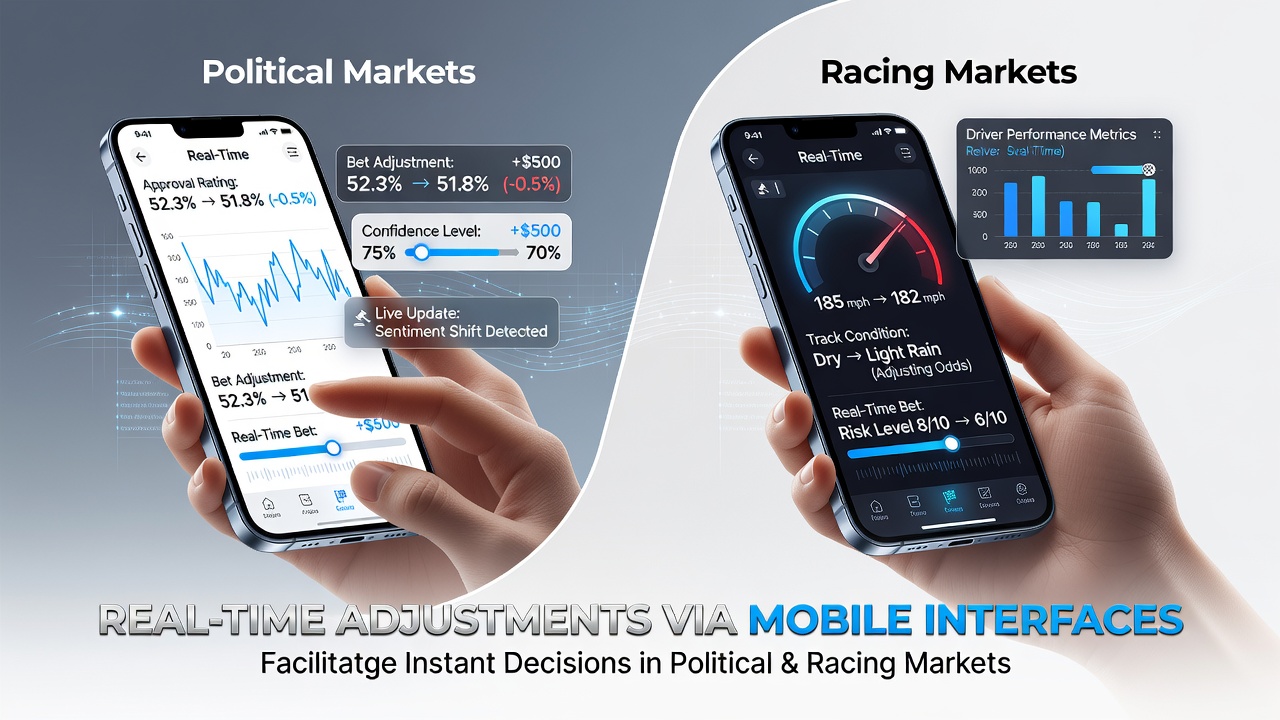
Mobile applications integrate swipe gestures, push notifications, and dynamic sliders that allow participants to alter positions mid-event. In political markets, users adjust wagers on election outcomes as new survey data arrives while racing markets update odds during heats or laps. Observers note that these components connect directly to backend servers which broadcast changes across user bases simultaneously.
Touch-responsive elements display current probabilities alongside adjustment controls so participants see potential outcomes before confirming changes. Research from the University of Nevada Reno indicates that such visual layering improves decision speed by 40 percent compared with desktop interfaces that rely on separate refresh commands.
Political Market Applications
Political betting platforms use mobile dashboards to track candidate performance metrics updated hourly during campaign periods. When October 2026 polling cycles begin, interfaces highlight volatility in key races and offer one-tap options to hedge or expand positions. Participants receive alerts tied to specific thresholds such as a candidate crossing a 45 percent support line then execute adjustments while retaining full session context.
Live event overlays show historical trend lines next to current odds so users compare movements without navigating away from the main screen. Government data compiled by the Nevada Gaming Control Board records increased transaction volumes during major political events where mobile real-time tools operate continuously.
Racing Market Adaptations
Racing interfaces emphasize split-second timing for events like thoroughbred finishes or motorsport stages. Participants monitor multiple runners or vehicles through compact video feeds while sliders adjust wager amounts based on emerging positions. Systems pull telemetry from official timing sources and translate it into market values that refresh automatically.
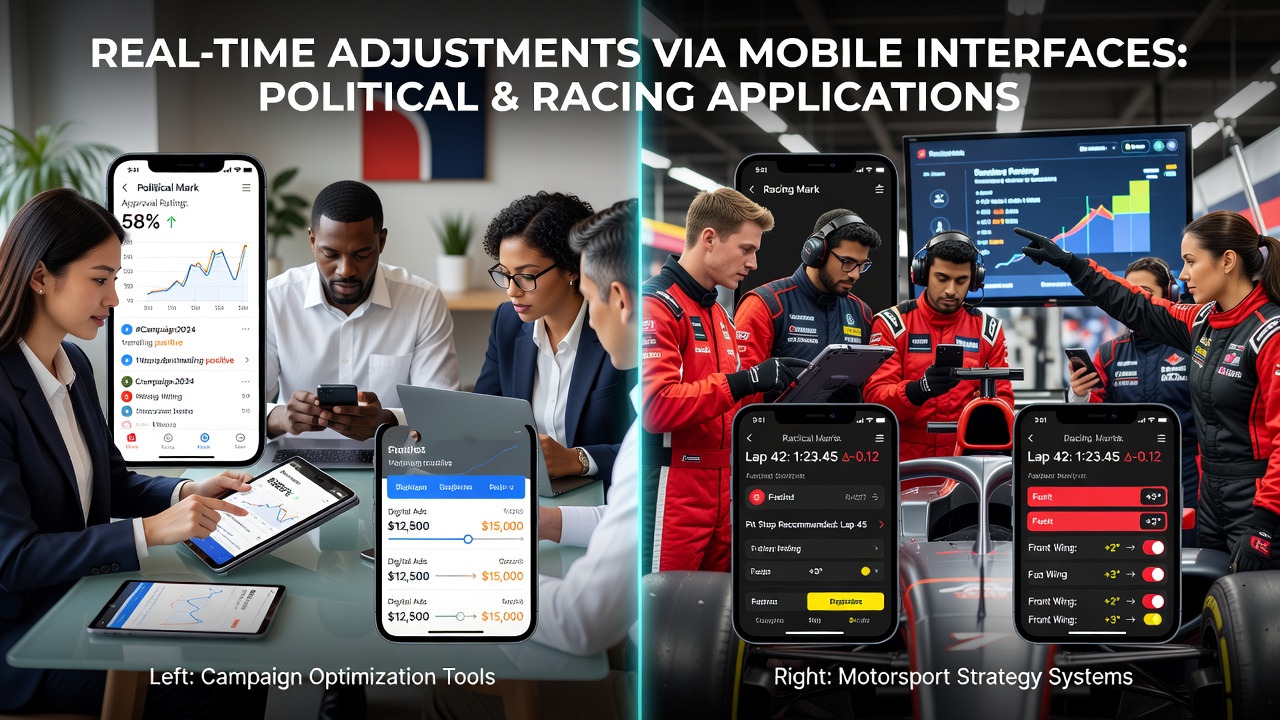
Case examples from Australian racing authorities demonstrate that mobile users who apply in-race modifications complete transactions 25 percent faster than those using static betting slips. The interfaces maintain separate panels for pre-race and in-race markets to prevent confusion during high-speed segments.
Technical Infrastructure Supporting Adjustments
Backend architectures employ websocket connections that push incremental updates rather than full page reloads. Mobile front ends cache recent data locally to sustain responsiveness when network conditions fluctuate. Security protocols authenticate each adjustment request within milliseconds while preserving audit trails required by regulatory frameworks across multiple jurisdictions.
Studies published by the Canadian Gaming Association highlight that encryption layers and rate-limiting mechanisms prevent overload during peak activity periods such as election nights or championship races. These safeguards ensure that adjustment requests queue properly when simultaneous traffic spikes occur.
User Interaction Patterns
Participants often combine notifications with manual checks to verify market movements before committing changes. Interfaces record previous adjustment history within the same session allowing quick reversals if conditions shift again. Data indicates that users in racing markets favor incremental stake increases while political market participants tend toward position swaps between candidates.
Cross-market tools permit transfers between political and racing sections when users hold accounts on unified platforms. This flexibility supports portfolio balancing without separate logins or fund movements.
Conclusion
Mobile interfaces in political and racing markets center on continuous data flow and direct control mechanisms that match the pace of live events. Technical features such as websocket updates, dynamic controls, and integrated alerts enable participants to respond promptly as conditions evolve. Regulatory records and academic analyses confirm measurable improvements in transaction speed and decision accuracy when these tools operate effectively.