Tracing Stake Flexibility Across Esports, Politics, and Virtual Racing Markets on Tailored Mobile Platforms
Written by Mara Baumann · Aug 25, 2026
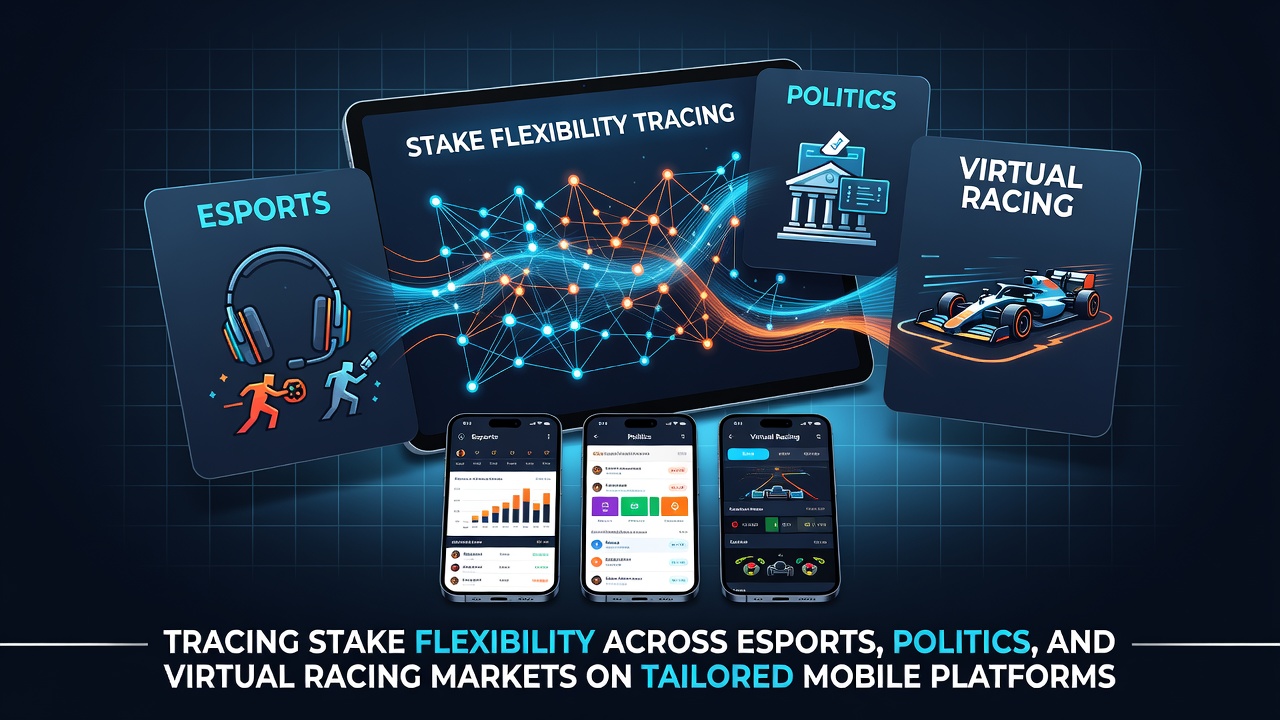
Tracing Stake Flexibility Across Esports, Politics, and Virtual Racing Markets on Tailored Mobile Platforms
Stake flexibility has become a defining feature in digital wagering environments, where users adjust wager amounts across esports competitions, political event markets, and virtual racing simulations through specialized mobile applications. Data from industry reports indicate that these platforms enable real-time modifications to bet sizes, often integrated with user account settings and market volatility indicators. In August 2026, platform operators continued to refine these tools as participation in mobile-based wagering expanded across multiple sectors.
Esports Market Dynamics and Adjustable Stakes
Esports events draw substantial volumes of wagers on titles such as League of Legends and Counter-Strike, with mobile platforms allowing participants to scale stakes from minimal entries to higher limits based on individual risk parameters. Research from the University of Nevada Reno shows that flexible stake mechanisms correlate with increased session durations in competitive gaming circuits. Observers note that tailored apps incorporate features like preset stake tiers and instant adjustment sliders, which respond to live match data feeds and player performance metrics. These systems operate under regulatory frameworks that vary by jurisdiction, including oversight from bodies like the Nevada Gaming Control Board.
Platform developers integrate analytics that track historical bet patterns, enabling users to shift stakes mid-tournament without exiting the application. Figures from global esports associations reveal steady growth in mobile wagering volume through 2026, driven by seamless connectivity between live streams and betting interfaces.
Political Event Markets and Stake Adjustments
Political betting encompasses outcomes in elections and legislative decisions, where mobile platforms provide stake flexibility tied to polling fluctuations and news cycles. Users access interfaces that permit incremental increases or decreases in wager amounts as events unfold, often linked to probability models updated in real time. According to analyses from the Australian Institute of Criminology, such adaptability supports market liquidity in jurisdictions where political event wagering remains permitted. In August 2026, several platforms reported expanded options for multi-outcome political contracts, with stake limits calibrated to regional compliance standards.
Those who monitor these markets observe that tailored applications employ notification systems to alert users about potential stake recalibrations during high-impact announcements. Data from European regulatory summaries highlight variations in maximum stake thresholds across member states, influencing how operators design their mobile tools for political categories.
Virtual Racing Simulations on Mobile Devices
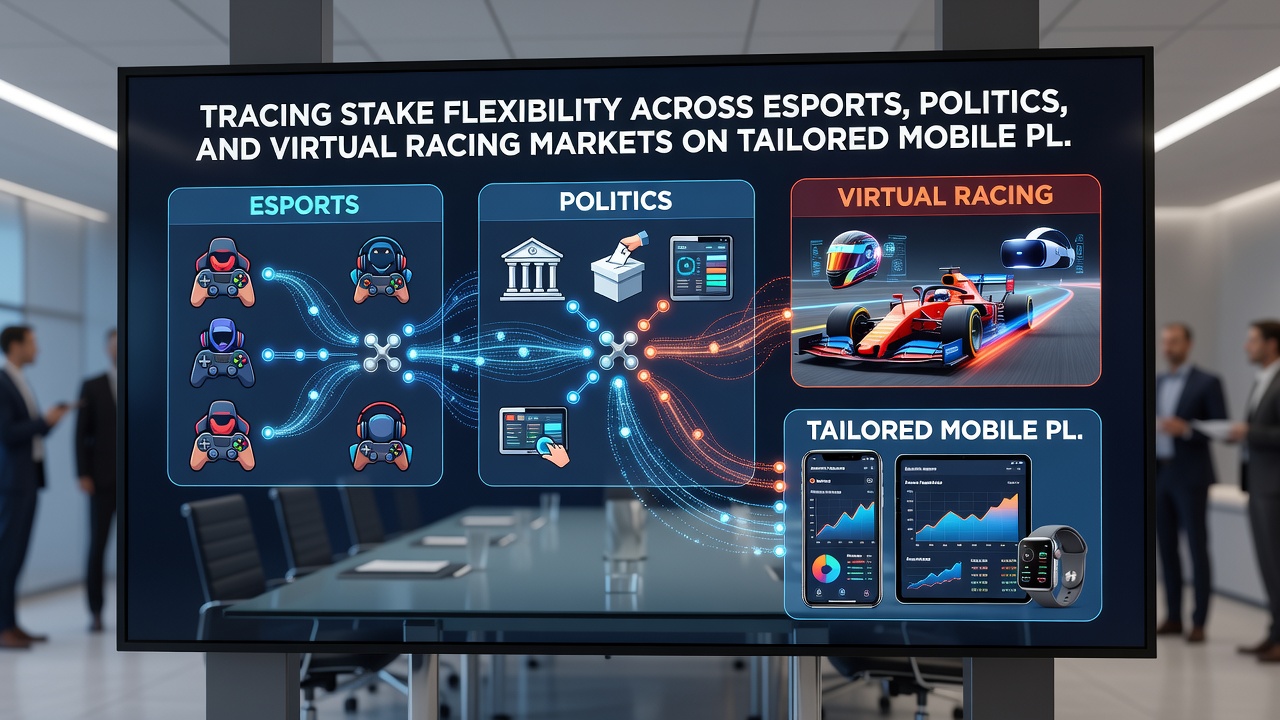
Virtual racing platforms simulate horse or motor events through algorithmic generation, and mobile applications here emphasize stake flexibility that aligns with race pace and outcome probabilities. Participants adjust bet sizes across single races or cumulative series, with interfaces that update available ranges based on simulated track conditions. Industry data compiled by the International Association of Gaming Regulators indicate that these markets attract users seeking rapid cycle wagering, supported by stake controls that prevent overextension through automated caps. By August 2026, enhancements in graphics rendering and predictive modeling had further integrated stake tools directly into live simulation views.
Applications often include comparative displays of past virtual race results alongside current stake options, allowing for informed adjustments without disrupting the user flow. Research published in the Journal of Gambling Studies documents patterns where flexible stake features appear in virtual formats more frequently than in traditional counterparts due to the controlled nature of the simulations.
Integration Across Tailored Mobile Platforms
Mobile platforms designed for these combined markets incorporate unified dashboards that display stake options for esports, political events, and virtual racing in parallel views. Engineers build these systems with modular code that permits cross-category stake transfers while maintaining separate compliance logs for each market type. Figures released by the Canadian Centre on Substance Use and Addiction point to rising adoption rates of such integrated apps in North American regions during 2026. Users navigate between sections with consistent adjustment protocols, reducing friction in managing diverse portfolios.
Security protocols embedded in these applications encrypt stake modification requests, and operators log all changes for audit purposes under applicable gaming statutes. What's interesting is how device-specific optimizations, such as touch-responsive sliders and biometric confirmations, enhance precision in stake setting across the three categories.
Conclusion
Stake flexibility in esports, political, and virtual racing contexts on mobile platforms reflects ongoing technical and regulatory adaptations as of August 2026. Platform features continue to evolve in response to user interaction data and jurisdictional requirements, maintaining distinct operational boundaries for each market segment.